
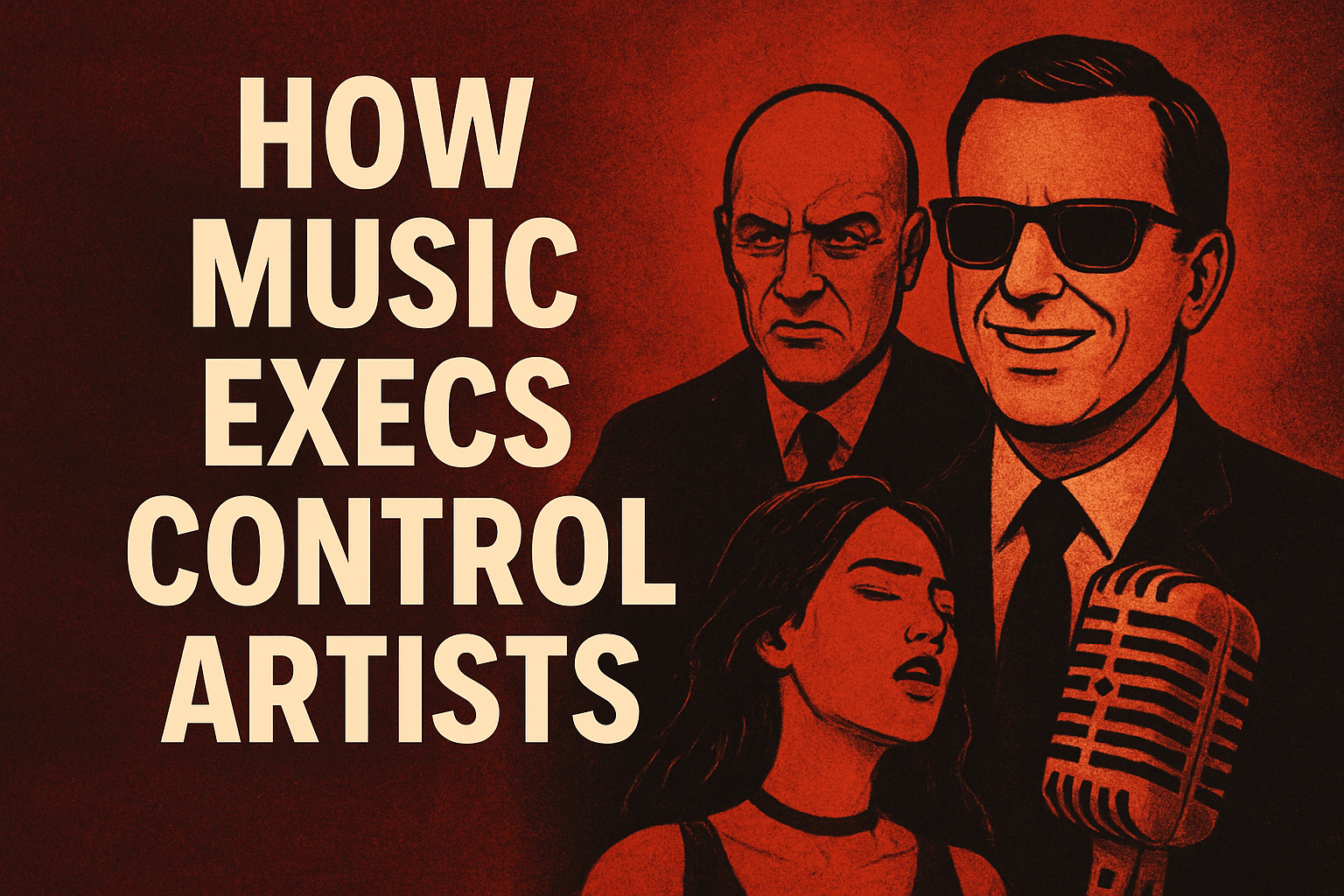
Behind the Curtain: How Music Execs Control Artists and Shape Culture
When we look at today’s biggest stars, it’s easy to imagine their careers being built on creativity and talent alone. But the truth is, the music industry is tightly controlled. Record labels, executives, and gatekeepers decide who gets the spotlight, what imagery is promoted, and even which themes dominate popular culture.
It’s not just about money — although profits drive much of it. There’s also a darker possibility worth exploring: is the music industry intentionally promoting destructive, even demonic messages?
The Gatekeepers of Fame
Global stardom doesn’t happen by accident. Record labels decide which artists receive multimillion-dollar marketing campaigns, which songs get placed on radio and playlists, and who gets invited to major award shows. With so much at stake, executives hold enormous leverage over their artists.
Contracts often lock musicians into long-term deals where their image, music, and public appearances are shaped to fit the label’s strategy. If an artist complies, they’re rewarded with fame. If not, they risk being shelved, ignored, or replaced.
Why Push Controversy?
The answer, on the surface, is simple: controversy sells. People pay attention when they’re shocked, offended, or outraged. Executives know this and use it to their advantage.
- Lil Nas X went from the wholesome fun of Old Town Road to the highly controversial MONTERO (Call Me By Your Name), where he danced on a stripper pole down into hell. The imagery wasn’t just provocative — it dominated headlines, sparked debates, and drove streams into the hundreds of millions.
- Sam Smith once had a clean, soulful image. But at the 2023 Grammys, Smith performed Unholy in red leather, surrounded by dancers in devil horns. Whether you loved it or hated it, you couldn’t ignore it — which is exactly what the industry wanted.
- Doja Cat has increasingly embraced dark, demonic aesthetics. From bloody visuals to horned costumes, her recent performances look more like horror films than pop concerts. The result? Endless conversation online, which fuels her popularity.

In each case, executives benefit: outrage equals attention, attention equals streams, and streams equal money.
Shaping Culture, Not Just Music
The industry isn’t only selling songs — it’s shaping culture. By repeatedly pushing satanic imagery, hyper-sexualization, and destructive themes, the industry normalizes them. Over time, what once shocked audiences becomes standard, paving the way for even more extreme content.
Why would executives want this? Some argue it’s purely about profit: the more outrageous the artist, the more attention they get. Others, however, wonder if there’s a deeper agenda — one that goes beyond money.
The Possibility of Something Darker
In Christian tradition, the devil is often described as a fallen angel connected to music and worship. Some believe that because of this, the music industry — with its enormous cultural influence — could be a tool for spreading destructive or demonic messages.
Is this literally true? We can’t say for certain. But when award shows feature open devil symbolism, when mainstream music videos flirt with occult themes, and when the most promoted stars consistently lean into imagery tied to darkness, it raises the question: is this just marketing, or is there something spiritual happening behind the scenes?
Even if it’s “just business,” the effect is the same: millions of young listeners are repeatedly exposed to themes of rebellion, destruction, and worship of self. And if there is something darker at play, the industry is the perfect stage for it.
Control Through Compliance
Ultimately, the system works because artists comply. They may start off independent and authentic, but once they sign contracts, they’re pressured into image shifts that align with the industry’s agenda. Those who refuse risk being silenced or forgotten. Those who comply are rewarded with fame, wealth, and endless exposure.
It’s a powerful carrot-and-stick system — one that ensures executives, not artists, remain in control.

Final Thoughts
Whether you see the industry as purely profit-driven or possibly influenced by something darker, the patterns are hard to ignore. Over and over, the biggest artists in the world are pushed to use imagery tied to rebellion, shock, and even outright satanic themes.
Maybe it’s just controversy as a marketing strategy. Or maybe there’s more to it — a spiritual battle playing out through music, the very medium once said to belong to the “angel of music.”
Either way, it’s clear: the music industry doesn’t just entertain us. It shapes culture, steers values, and decides what millions of people consume. And the question remains — who’s really writing the script?
